ATTMA-accredited air tightness testing across the UK
ATTMA-accredited air tightness testing across the UK

Pass Your Air Tightness Test First Time - From £95
ATTMA-accredited engineers, same-day certificates and clear prep checklists so you avoid failures, delays and re-tests. Part L compliant air pressure testing for new builds nationwide.
Takes 60 seconds. No obligation.
Or call 01455 634855
Watch: What We Look For In Your Air Tightness Test
What Is an Air Tightness Test?
An air tightness test (also called an air pressure test, air permeability test, or blower door test) measures how much air escapes through gaps and cracks in your building's envelope. The test is carried out by temporarily sealing the building and using a calibrated fan to pressurise or depressurise the space, then measuring the airflow required to maintain that pressure.
The result is your building's air permeability rating, expressed in m³/h/m² @ 50Pa – essentially how many cubic metres of air leak through each square metre of building envelope per hour at a test pressure of 50 Pascals.
Why Is Air Tightness Testing Required?
Under Part L of the Building Regulations (Part L1A for dwellings, Part L2A for non-dwellings), all new builds in England and Wales must undergo air tightness testing. Similar requirements exist in Scotland (Section 6) and Northern Ireland (Part F1). Since June 2022, every new-build plot requires its own individual test.
The purpose is to ensure buildings are energy efficient. Uncontrolled air leakage can account for up to 40% of heat loss, increasing energy bills and carbon emissions. A well-sealed building maintains comfortable temperatures with lower heating costs.
What Air Permeability Target Do I Need?
The maximum allowable air permeability under Part L is 8 m³/h/m² @ 50Pa. However, your specific target is set by your SAP or SBEM calculations at the design stage – most new build dwellings target 5 m³/h/m² @ 50Pa or below to meet their energy performance requirements.
For Passivhaus projects, the target is significantly tighter: 0.6 air changes per hour @ 50Pa, which typically equates to around 0.6 m³/h/m² @ 50Pa depending on building geometry.
Everything You Need to Pass Your Air Test in One Visit
Same day certificates
Keep Building Control and handovers on schedule. We issue your air test certificate the same working day once you pass.
Clear site readiness checklist
We send a simple preparation checklist before we attend so you know exactly when your plot is ready for testing.
On-site diagnostics if you fail
If your building doesn't meet its air permeability target, we identify the main leakage paths using smoke testing and pressure diagnostics, then explain exactly how to fix them.
Practical guidance for your team
We walk your site contact through our findings so your team knows what to look for on future plots.
One coordinated provider across the UK
Whether you need air pressure testing for dwellings, commercial buildings, PAS 2035 retrofit projects, or Passivhaus certification, UKBC covers it all.

Air Pressure Testing for Every Project Type
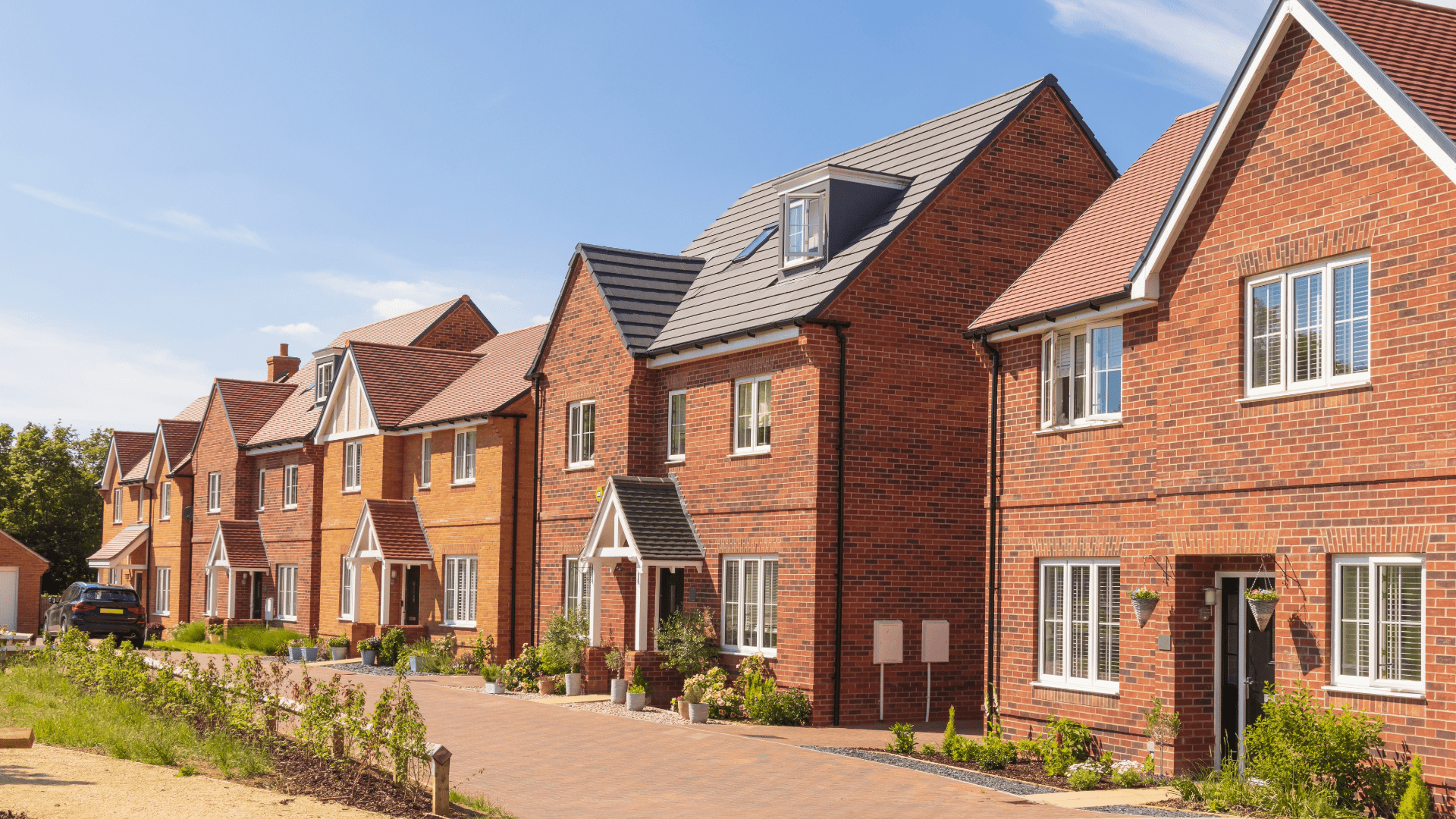
Air Tightness Testing for Dwellings
Part L1A compliant air permeability testing for new-build houses, flats, and apartments. Our ATTMA-accredited engineers test against your SAP design air permeability target and provide same-day certification.
Air Tightness Testing for Commercial Buildings
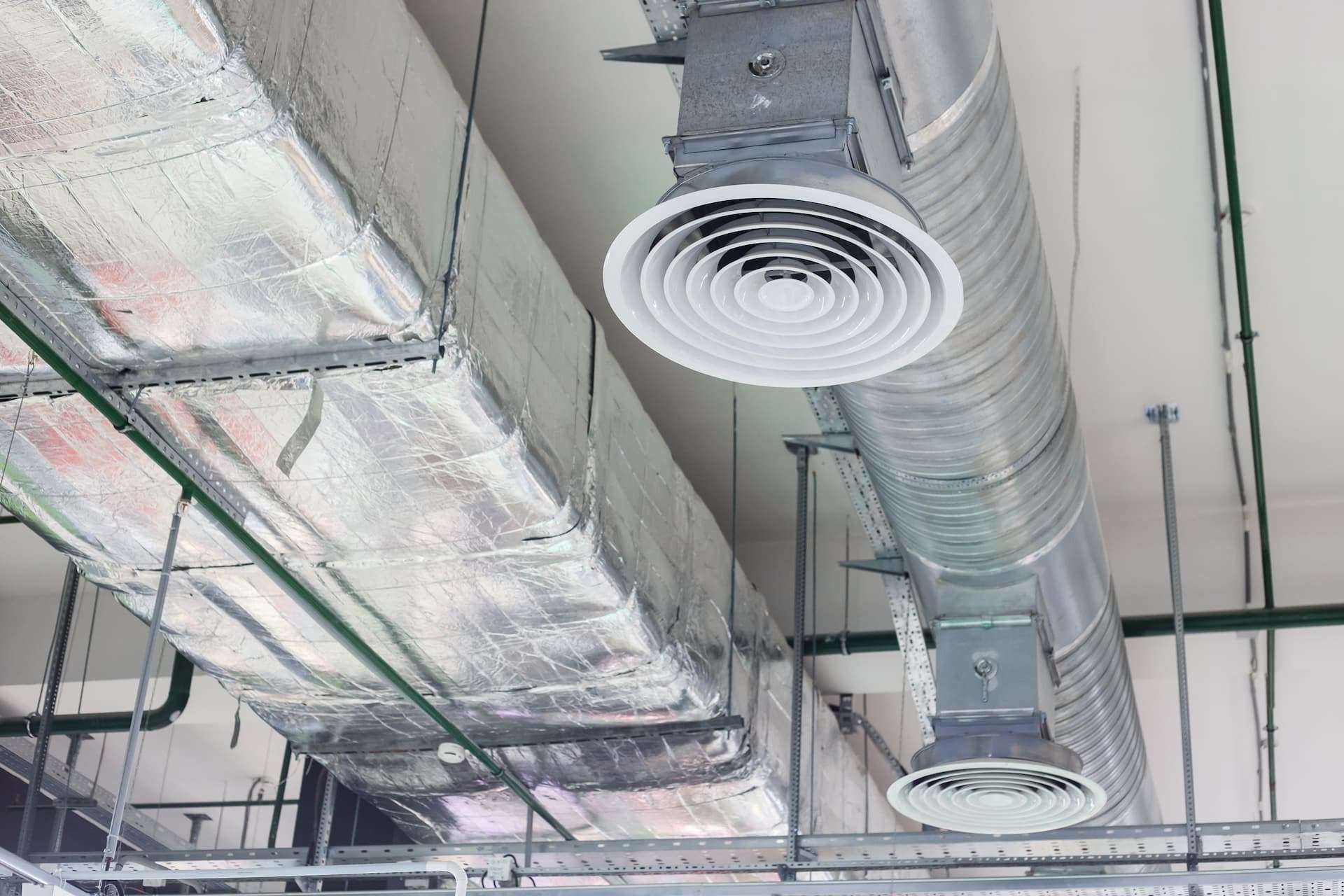
Part L2A compliant air pressure testing for offices, retail units, schools, healthcare facilities, warehouses, and industrial buildings. We coordinate testing around your programme to minimise disruption.
PAS 2035 Air Tightness Testing
Air permeability testing for domestic retrofit projects under PAS 2035. Demonstrate the airtightness improvement achieved by your energy efficiency measures and help reduce comfort complaints and moisture issues.
Passivhaus Air Tightness Testing
Specialist low-target air tightness testing for Passivhaus and low-energy buildings targeting ≤0.6 ACH @ 50Pa. Our experienced engineers can conduct interim tests during construction to de-risk your final certification test.
Common Reasons New Builds Fail Their Air Test
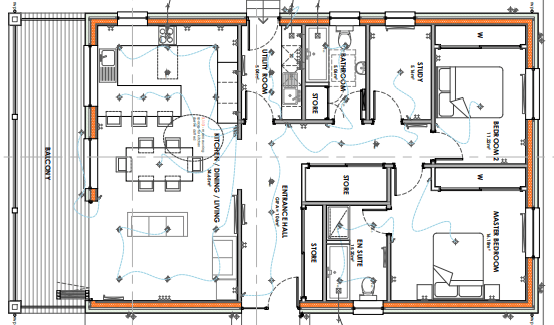
After thousands of air tightness tests, we see the same issues causing failures repeatedly. Here are the most common air leakage points we find:
Gaps around windows and doors
Poor sealing between frames and the surrounding wall is one of the biggest culprits. Check for continuous sealant beads and ensure no daylight is visible around frames.
Service penetrations
Anywhere pipes, cables, or ducts pass through the building envelope needs sealing. This includes soil pipes, boiler flues, electrical cables, and extraction ducts.
Loft hatches
Unsealed or poorly fitting loft hatches are a frequent cause of failure. Ensure hatches have compression seals and close firmly.
Skirting boards and floor/wall junctions
Air can escape behind skirting boards where plasterboard meets the floor, especially with dot-and-dab fixing. Seal the junction before fitting skirtings.
Recessed downlights
Standard downlights in ceilings below unheated spaces (like lofts) can leak significantly. Use airtight light covers or airtight-rated fittings.
Electrical sockets on external walls
Back boxes on external walls often have gaps around cables. Seal around cables entering the back box and consider using airtight socket boxes.
Air Tightness Test Cost: Transparent Guide Pricing
Domestic air test
Typical price for a single new-build dwelling up to an agreed floor area, within standard travel distance. Volume discounts available for multiple plots.
£95* +VAT
Commercial air test
Starting price for smaller non-domestic units. Larger or more complex commercial buildings are quoted individually based on floor area and access requirements.
£150* +VAT
Send us your drawings and SAP/SBEM details for an exact fixed-price quote with no hidden fees.
* Note: These are guide prices. Actual prices may vary. Contact us for an accurate quote.
How to Book Your Air Tightness Test
How to Book Your Air Tightness Test
STEP 1
Send us your project details
Share your plans, SAP or SBEM air permeability target, and site location.
STEP 2
Get your quote and test date
We confirm your price, send your site readiness checklist, and book your preferred slot.
STEP 2
Test, diagnose, certify
Our engineer attends, runs the blower door test, explains findings, and issues your certificate same day.
What Builders and Developers Say About UKBC
FAQ
Under current Part L regulations (since June 2022), each new-build plot requires its own individual air tightness test. This applies to every dwelling on a development site, not just a sample.
Your target is set by your SAP or SBEM calculations at the design stage. The maximum allowable under Part L is 8 m³/h/m² @ 50Pa, but most new builds target 5 m³/h/m² @ 50Pa or below.
We carry out on-site diagnostics to identify the main air leakage points and explain exactly how to fix them. If you followed our site readiness checklist and still fail, we waive the re-test call-out fee.
Book your test once the building envelope is complete, all penetrations are sealed, and fixtures are fitted. Our site readiness checklist makes this clear.
Domestic air tests start from £95 + VAT. Commercial tests start from £150 + VAT. Send us your project details for an exact fixed-price quote.
The test itself typically takes 30-45 minutes for a standard dwelling, plus time for setup and diagnostics if needed. We issue your certificate the same working day.
Residential extensions don't usually require mandatory testing. Commercial extensions over 100m² or more than 25% of the existing building may require testing under Part L2A.
They're the same thing. Air tightness testing, air pressure testing, air permeability testing, air leakage testing, and blower door testing all refer to the same process.
UKBC provides nationwide air tightness testing across England, Wales, Scotland, and Northern Ireland. We have engineers based throughout the UK.
Yes, we encourage it. Having your site manager or contractor present means they can see exactly what we test and learn from any issues we find.